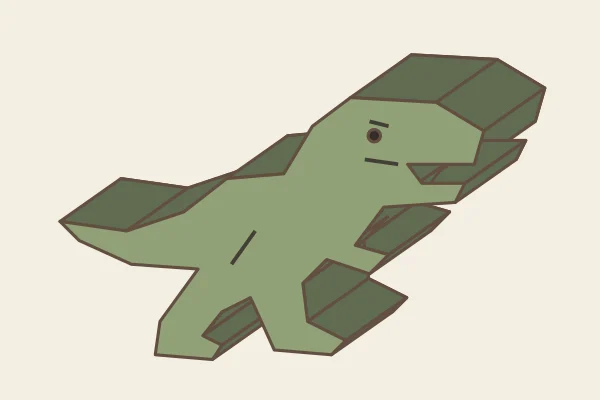
T-Rex papercraft template
Make a t-rex in folded cardstock. Dry-fit the two jaw tips before the neck. The short forearm turns inward toward the chest. Keep both hind feet aligned while attaching the back.
Choose a woodland, sea or garden animal. Download A4 or Letter face plates and numbered wall strips and compare the tricky corners before you cut.
A broad-backed whale gives you a long edge to hold while the first tabs set. A fox adds a pointed muzzle and two tight ear tips. Pick the hedgehog if you enjoy scoring a row of alternating corners. Each animal has two flat faces and a narrow strip between them. The shape comes from the cut outline, so the little changes in direction matter more than the colour of your card.
For a first pair, try the harbor seal and the sea turtle. Compare the seal’s long back to the short roots of the turtle’s flippers. On either pattern, choose your printer’s paper size, measure the 25 mm bar, and score the numbered strip before you cut it free. Each project gives its finished dimensions and identifies its shortest panel.
Make a t-rex in folded cardstock. Dry-fit the two jaw tips before the neck. The short forearm turns inward toward the chest. Keep both hind feet aligned while attaching the back.
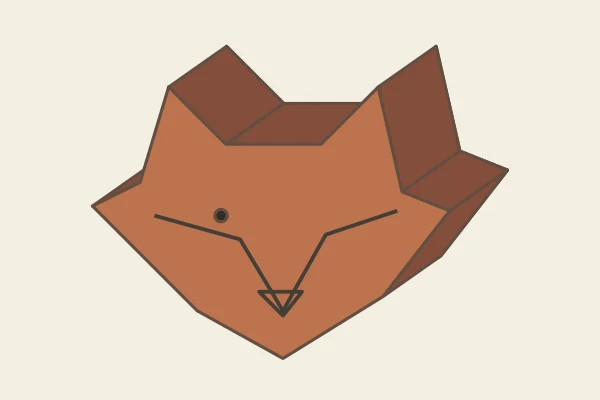
Make a red fox in folded cardstock. Pinch the two ear tips before bringing the cheek panels down to the pointed muzzle.
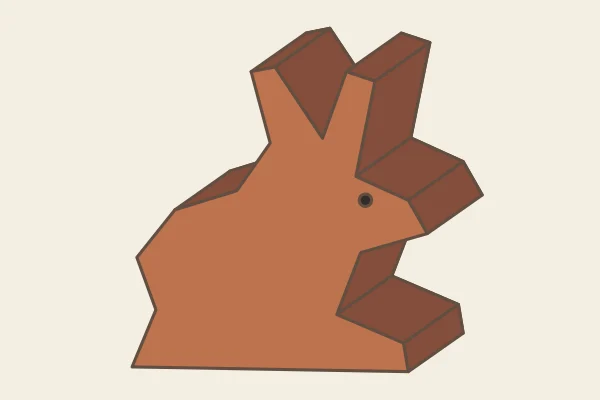
Make a sitting hare in folded cardstock. Work the narrow gap between the ears while the back is still open. The long front foot makes the base.
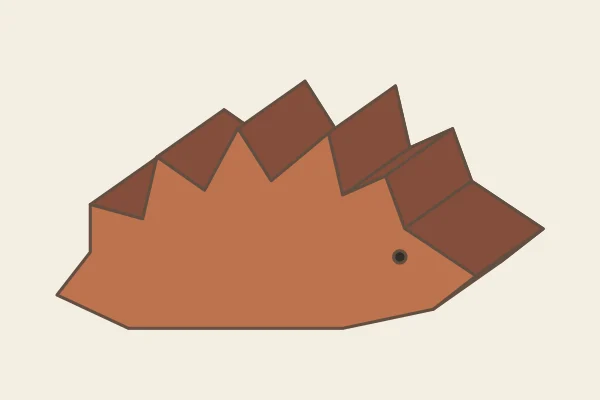
Make a hedgehog in folded cardstock. Dry-fit the sawtooth back from rump to nose. Alternate outward and inward scores at each spine.
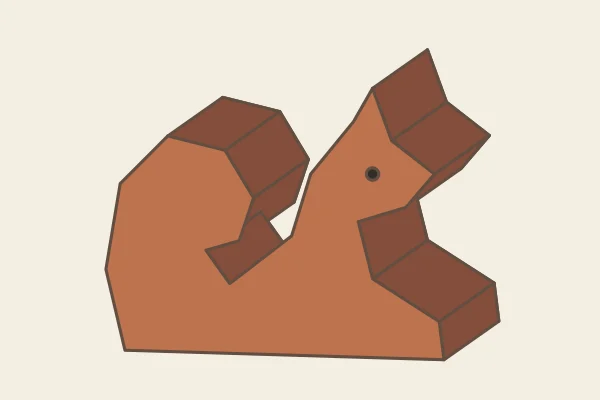
Make a squirrel with a curled tail in folded cardstock. Bend the tail band into its return curve before you glue the shoulder. The small notch separates tail and back.
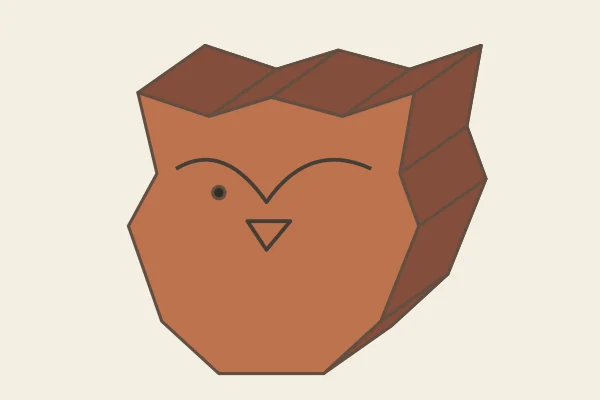
Make a barn owl in folded cardstock. Match both brow corners first. The broad lower edge lets the finished owl stand upright.
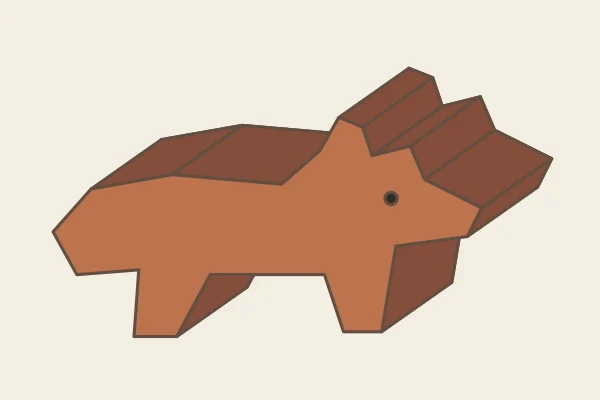
Make a walking bear in folded cardstock. Close the strips above the feet before fixing the long belly panel. Both feet should touch a flat surface.
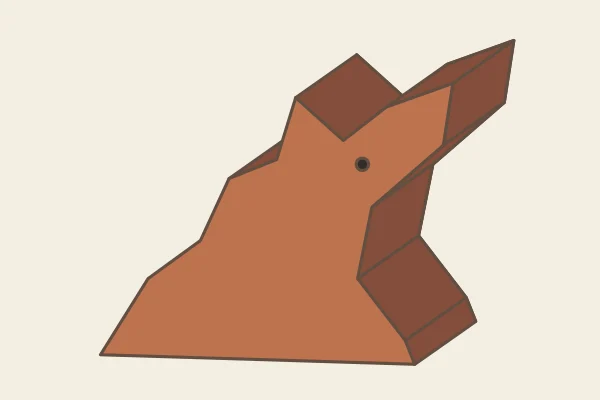
Make a howling wolf in folded cardstock. Keep the raised muzzle angled above the throat. Close the base last so you can reach behind the jaw.
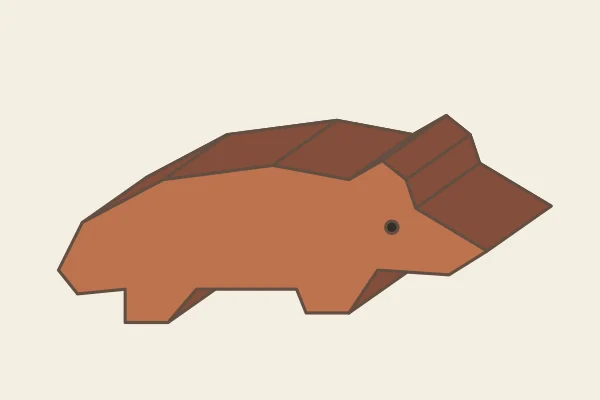
Make a badger in folded cardstock. Start along the sloped snout. Keep the short feet level when the long back closes.
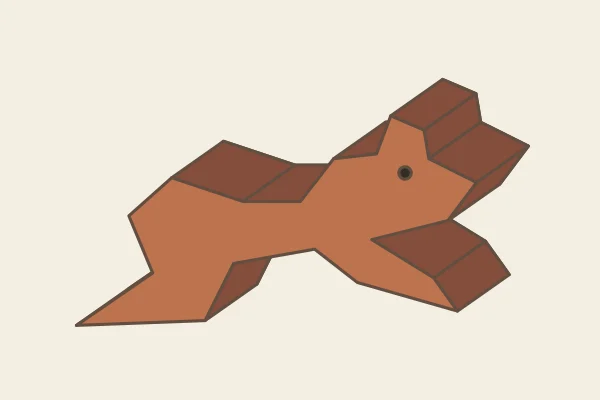
Make a leaping frog in folded cardstock. Leave the long rear-leg panel loose until the tucked knee fits. Do the narrow forefoot last.
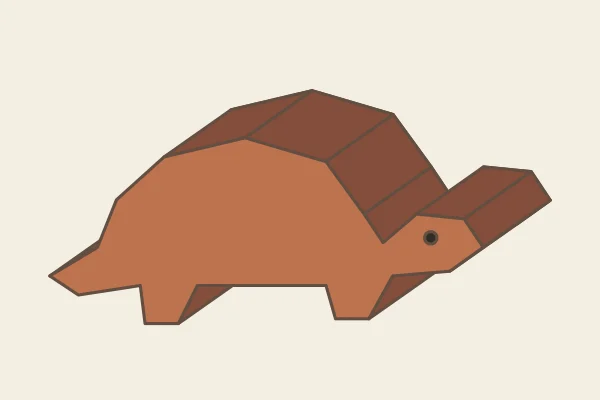
Make a tortoise in folded cardstock. Form the dome in short sections. Keep the head tab inside the neck so the shell rim stays visible.
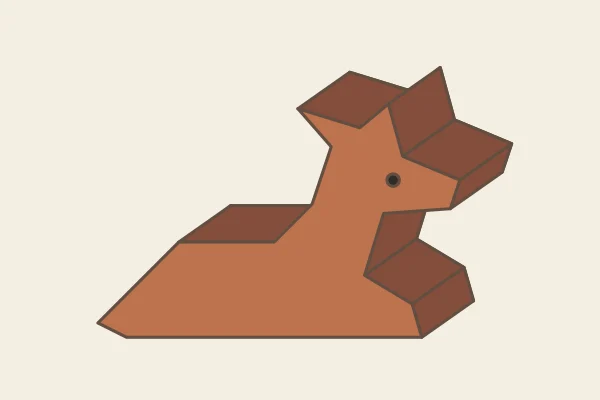
Make a resting fawn in folded cardstock. Shape the shallow ear notch before joining the neck. The long resting flank is the closing edge.
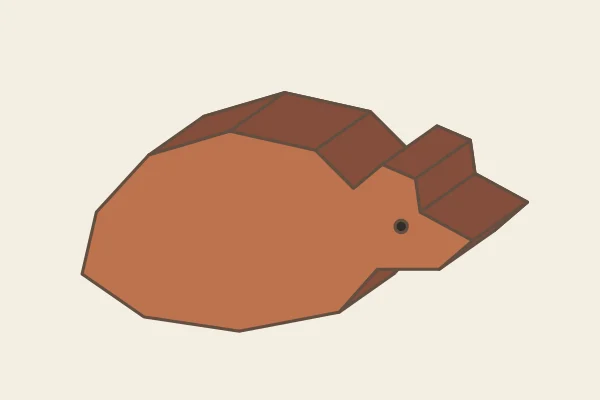
Make a sleeping dormouse in folded cardstock. Curve the band around the rounded back one crease at a time. Seat the tiny ear before the cheek.
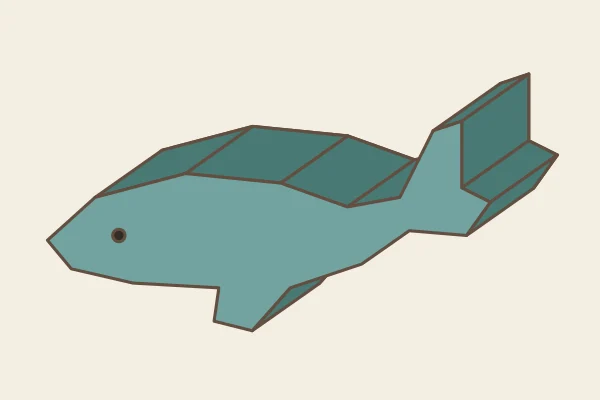
Make a humpback whale in folded cardstock. Leave the belly open while pressing the flipper tab. Check that the upturned tail sits above the back.
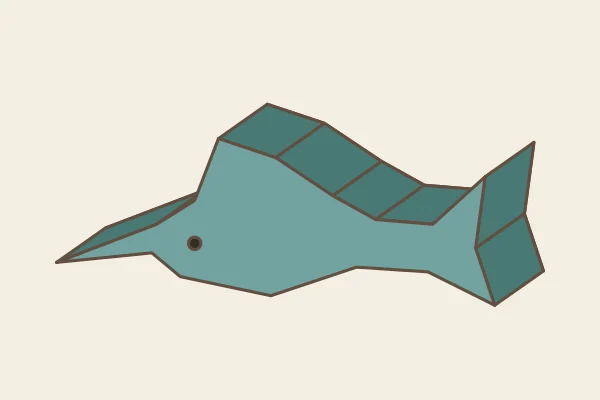
Make a sailfish in folded cardstock. Fit the tall dorsal sail first. The short inward joint at the tail is easier to reach before closing the belly.
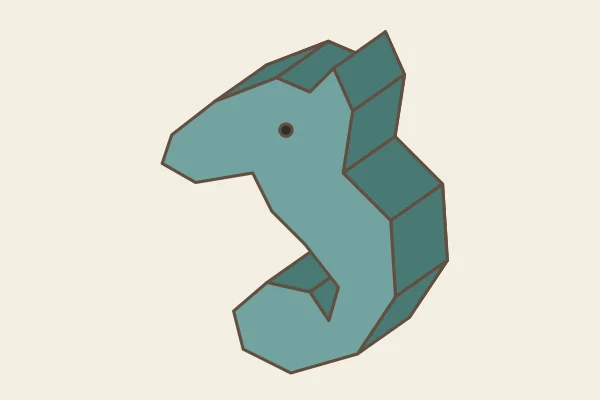
Make a seahorse in folded cardstock. Work from the snout toward the belly. Fit the inward curl of the tail before attaching its outer panels.
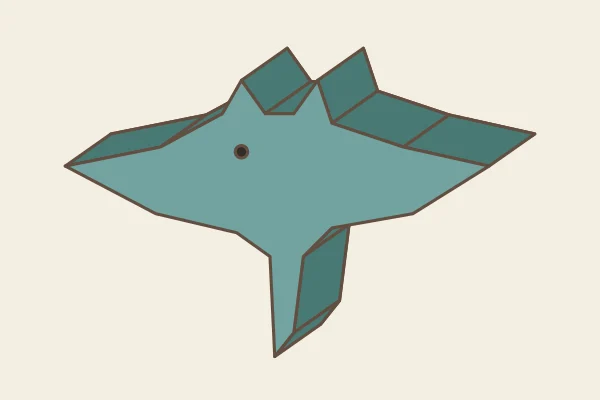
Make a manta ray in folded cardstock. Support each wide wing from underneath. Set the tail strip only after the two rear wing edges meet.
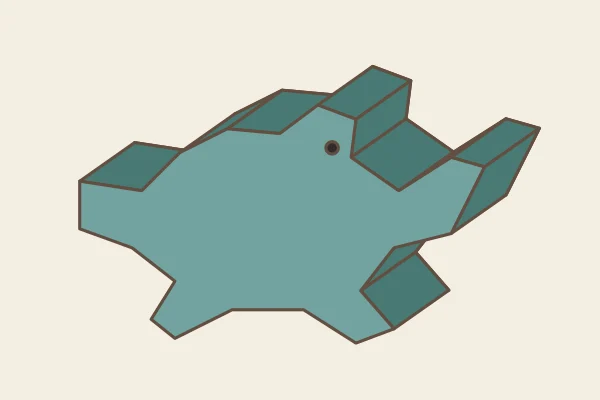
Make a sea turtle in folded cardstock. Keep all four flippers distinct by creasing their roots toward the shell before gluing the back.
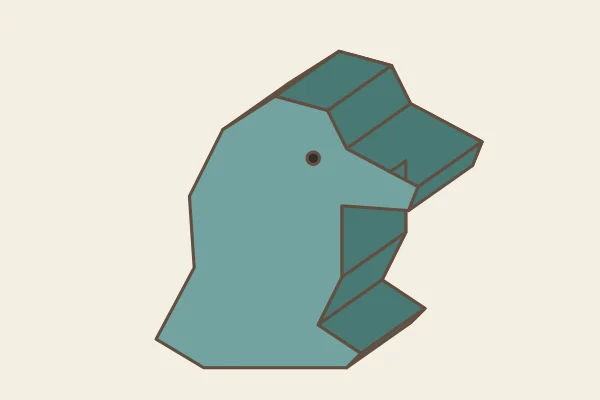
Make a standing puffin in folded cardstock. Press the broad beak seam flat while the face is accessible. Leave the feet until the last band.
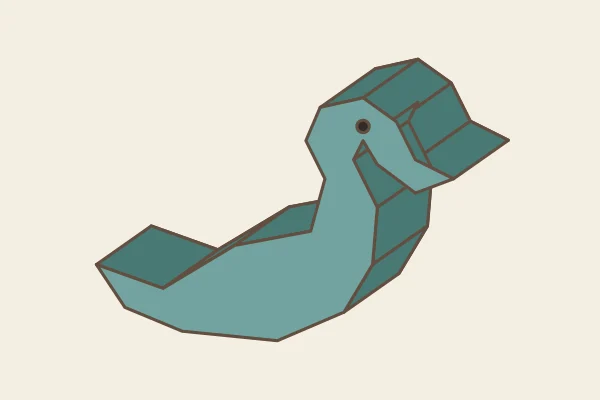
Make a swan in folded cardstock. Fit the inside of the curved neck with the back plate off. The short beak panel should meet without twisting.
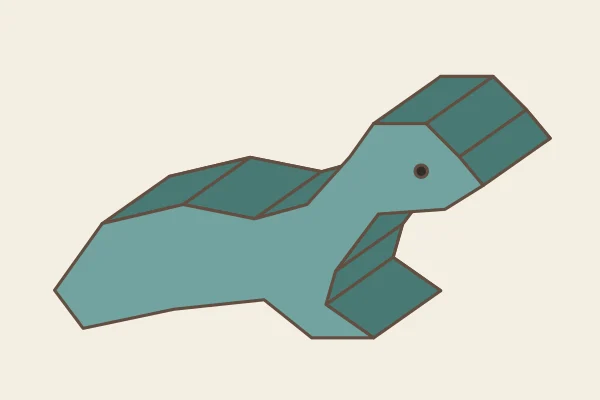
Make a harbor seal in folded cardstock. Seat the neck rise before wrapping the long back. The tucked flipper sits forward of the broad tail.
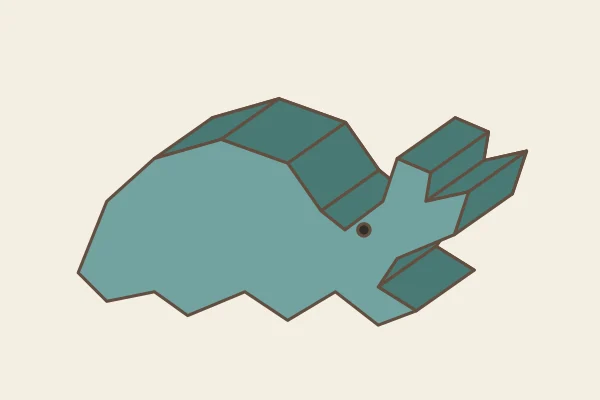
Make a hermit crab in folded cardstock. Wrap the shell dome before shaping the claw. Fold its small inside notch toward the joint.
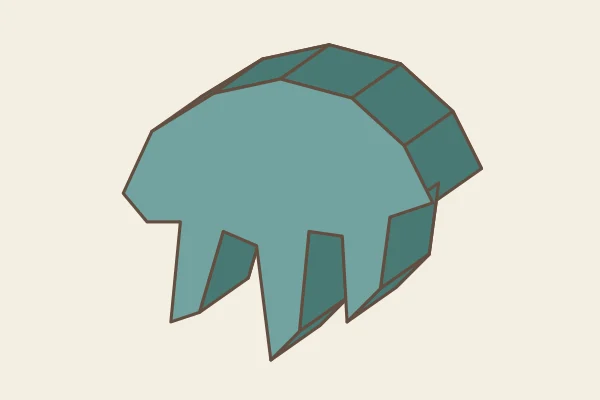
Make a jellyfish in folded cardstock. Work up each tentacle from its tip. Close the broad bell only after the narrow channels are attached.
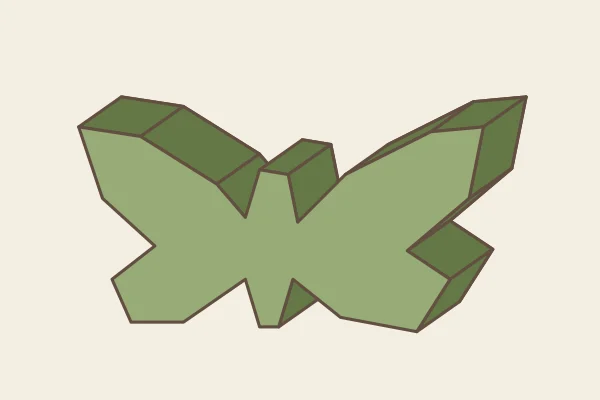
Make a butterfly in folded cardstock. Match the wing notches in pairs. Work the small body tail before the wide upper wings.
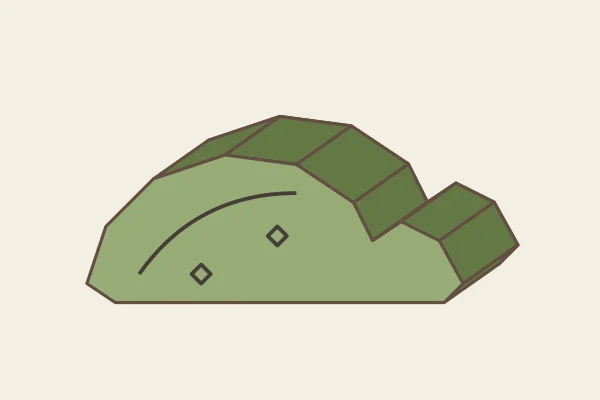
Make a ladybird in folded cardstock. Keep the flattened underside straight. Draw the wing seam and spots while the face is still flat.
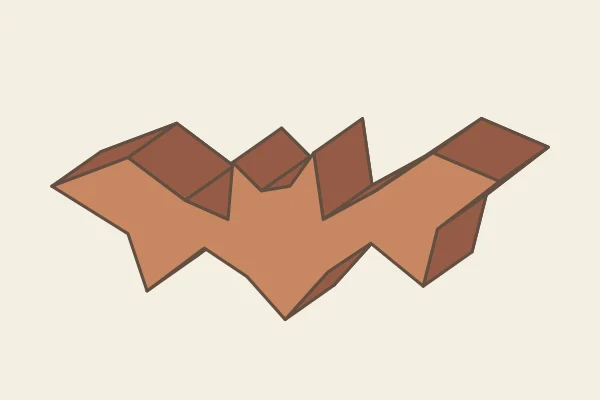
Make a night bat in folded cardstock. Work from each wingtip inward. Reverse the bend at the scallops so the wings form two matching arcs.
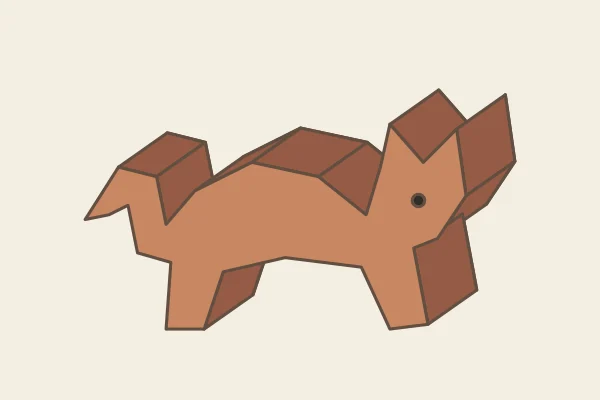
Make a arched black cat in folded cardstock. Pre-bend the upright tail and narrow ear notch. Check both feet against the table before closing the cat’s back.